Soccer for Peace
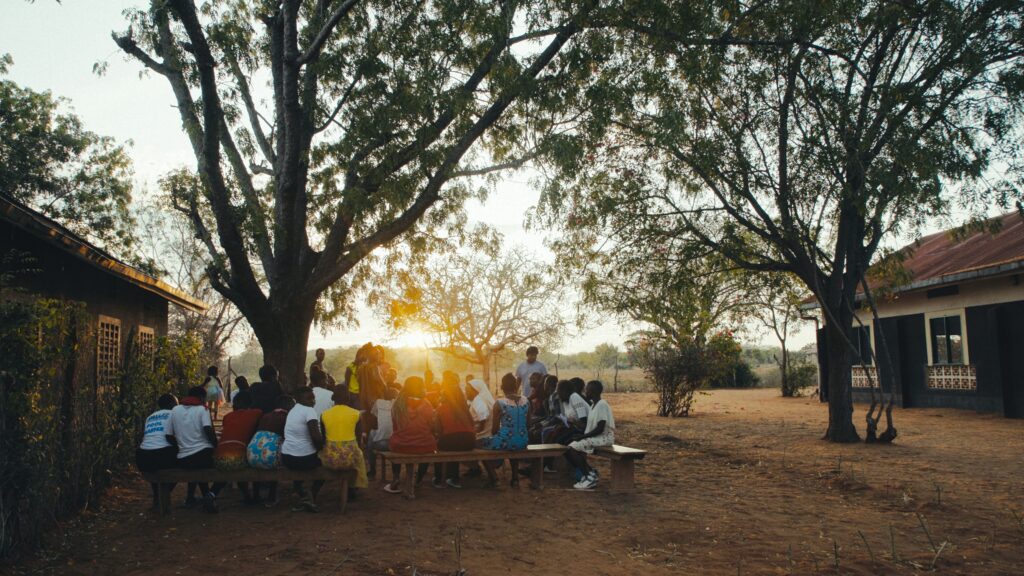
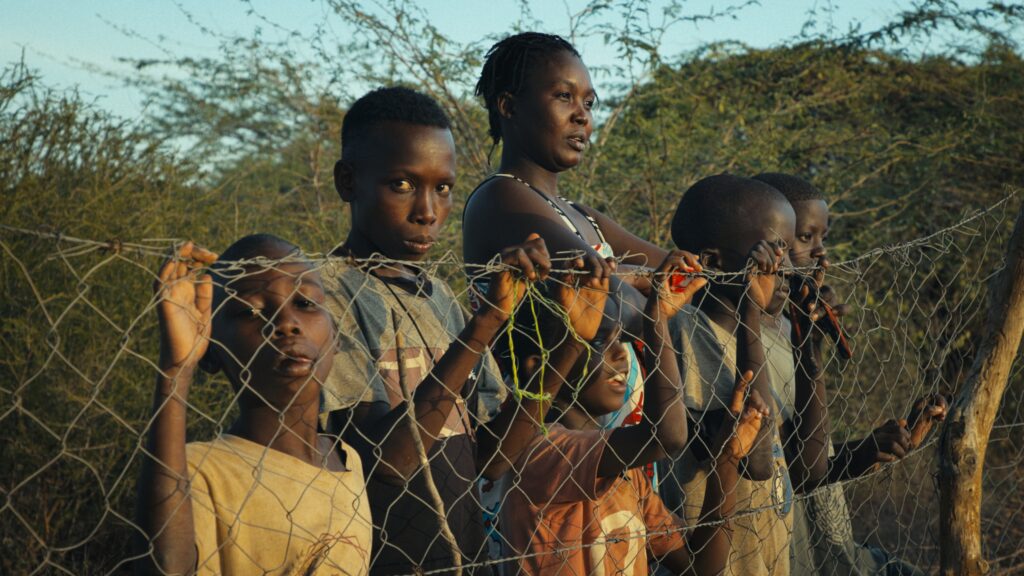
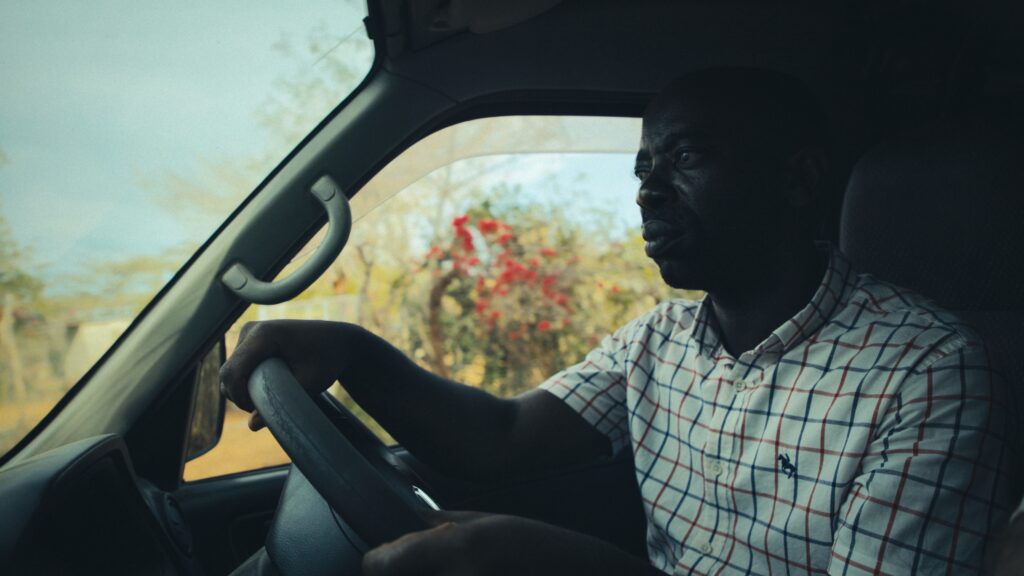
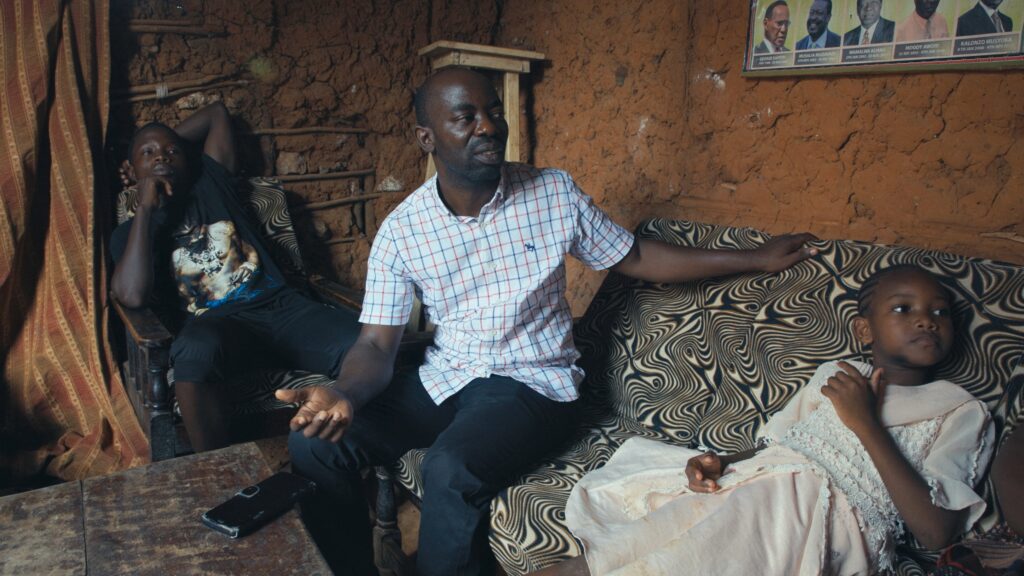
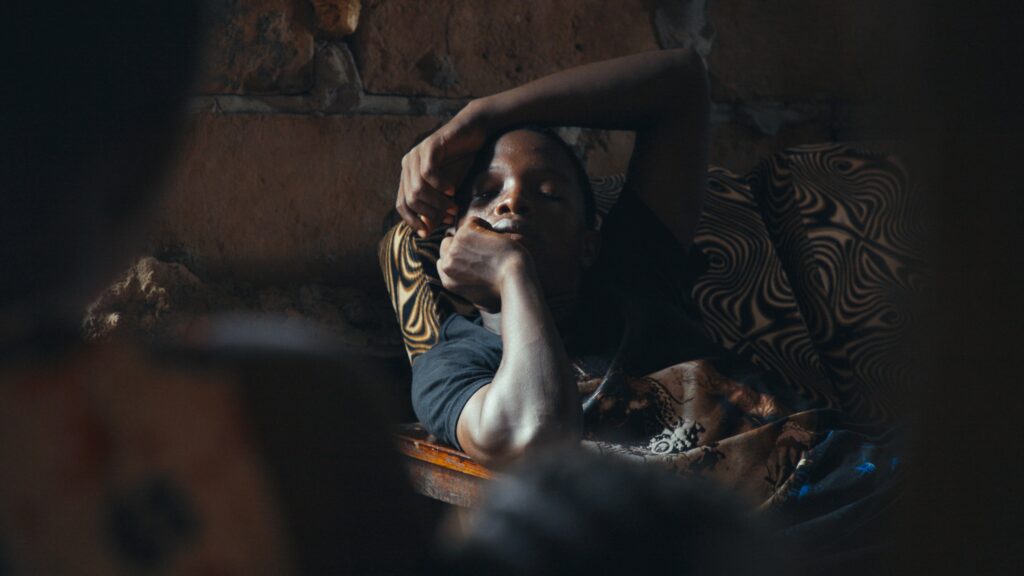
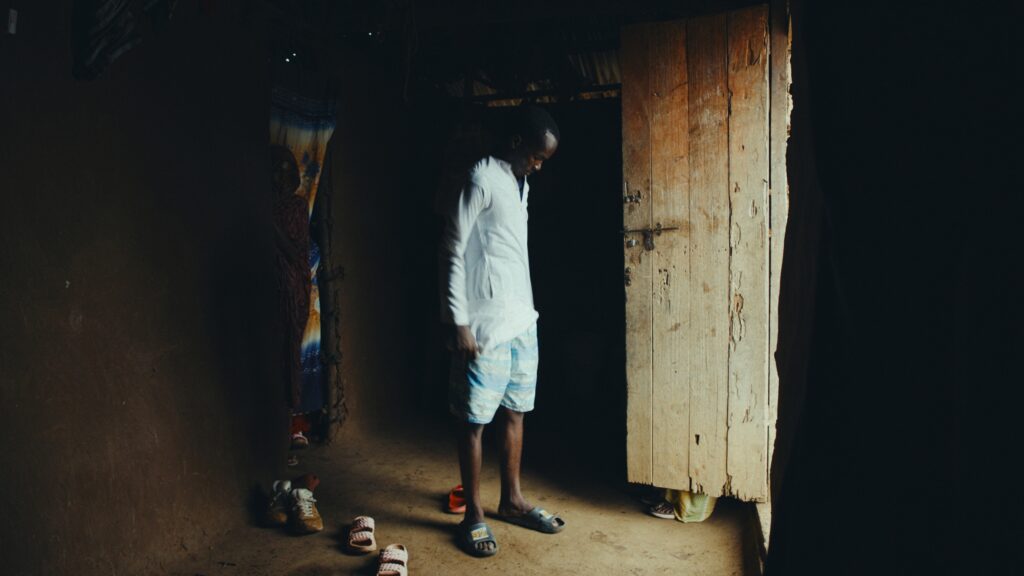
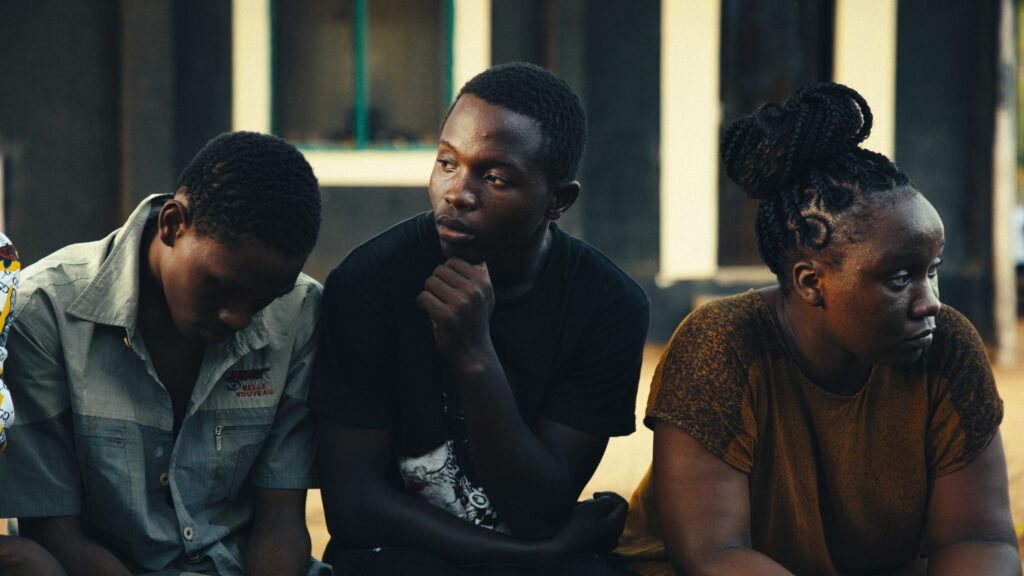
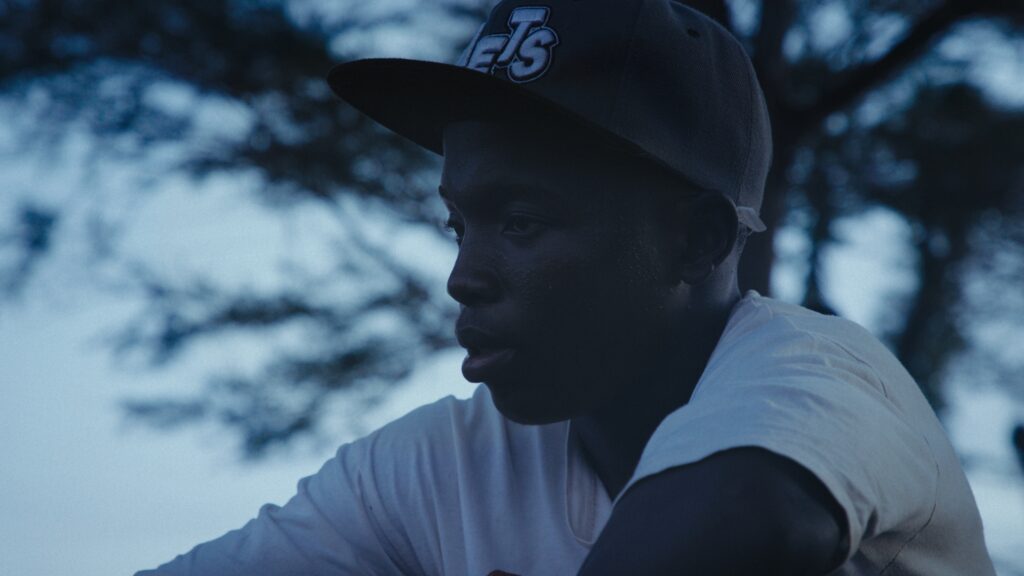
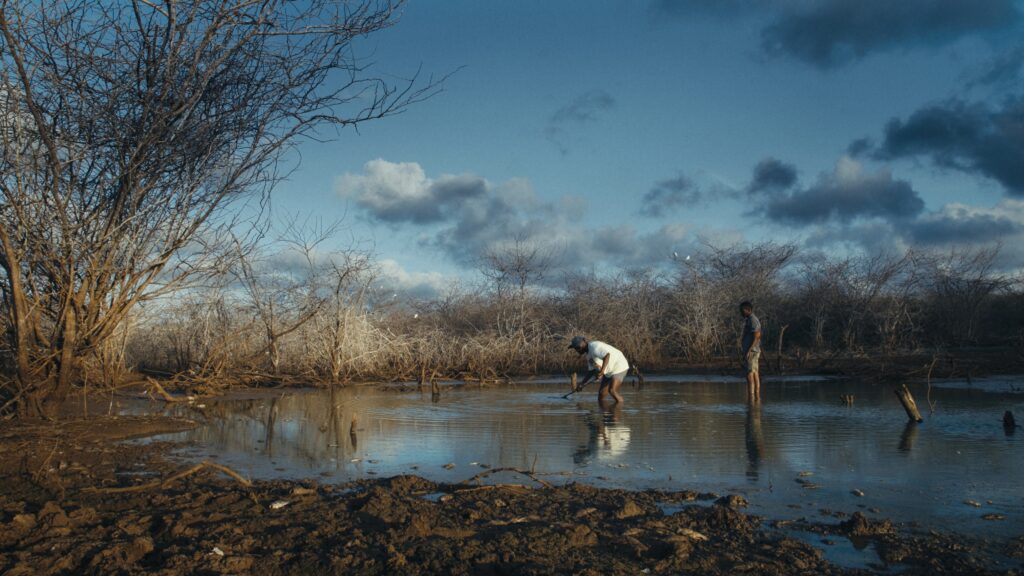
In Tarasaa, in Kenya's Tana River country, two peoples share one town and a long memory of killing each other – the Pokomo who farm and the Oromo who herd, one side mostly Christian, the other mostly Muslim – and the war between them has gone quiet without ever ending.
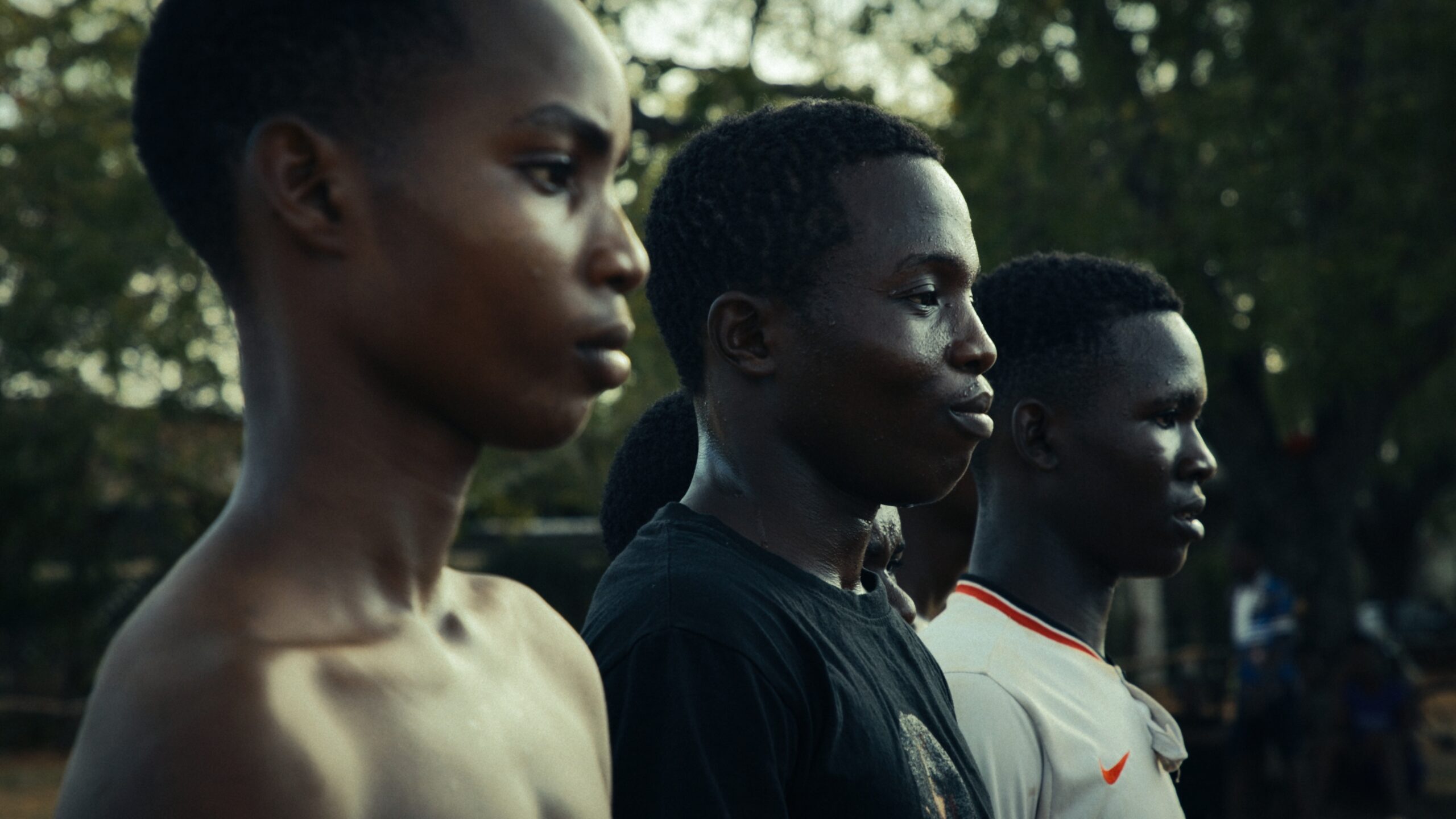
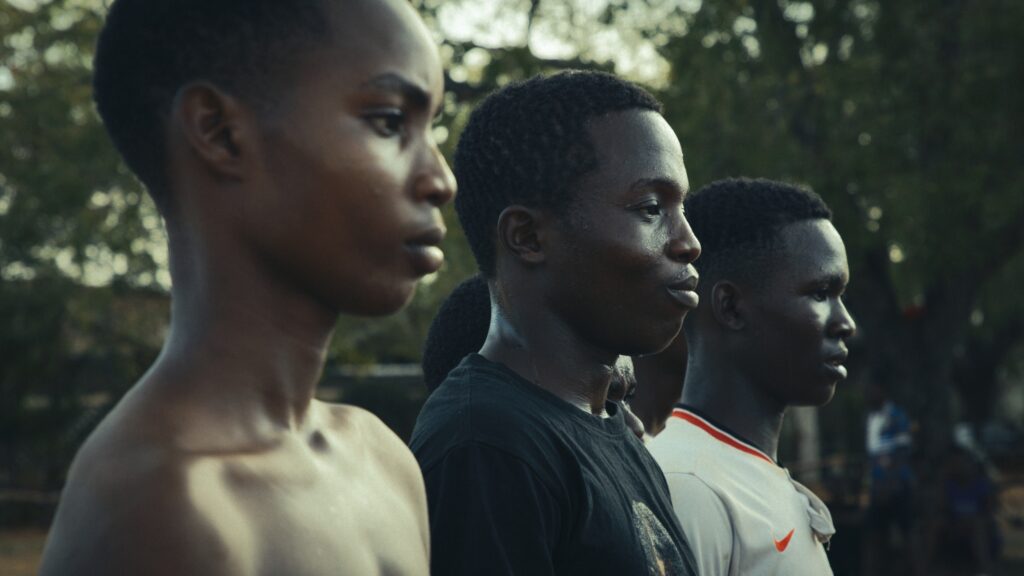
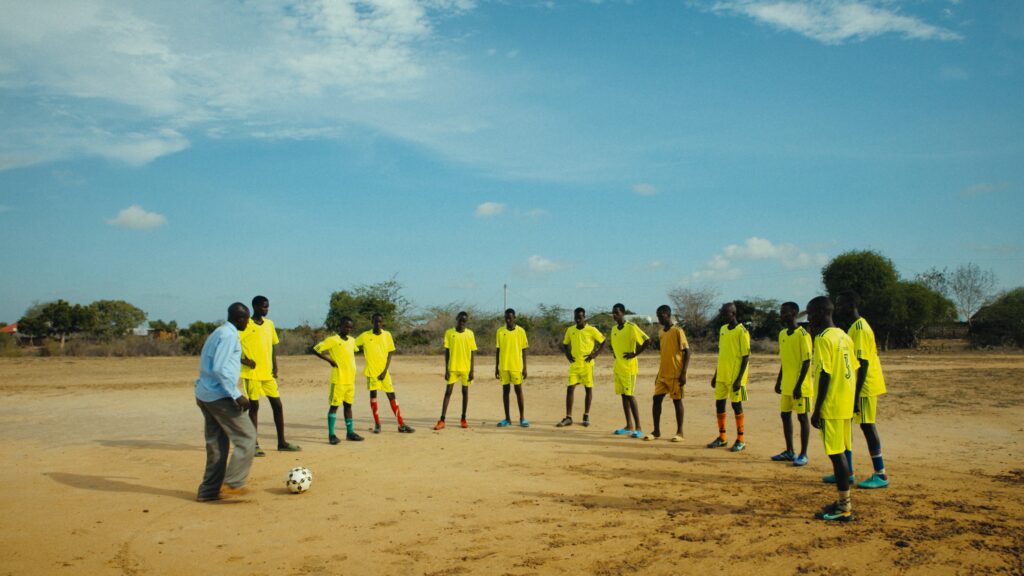
It's frozen, as one of the elders puts it, and frozen things thaw. So Father Fidel and the leaders on both sides try the one thing they can still do: they bring the young men onto the same pitch, Tarasaa against Ndaraku, a friendly match played as an act of peace, in the plain hope that boys who have played together will find it harder to fight tomorrow.
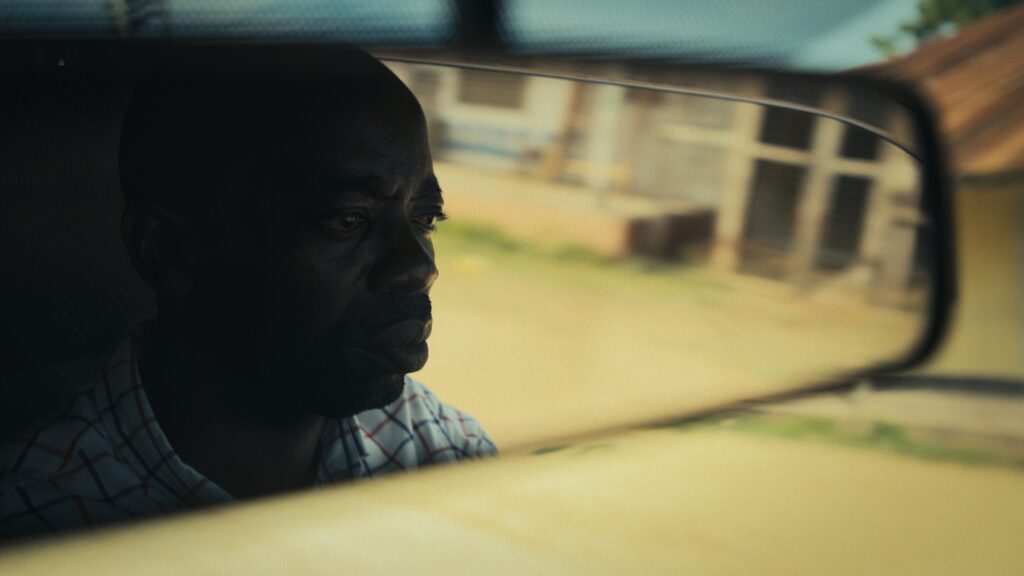
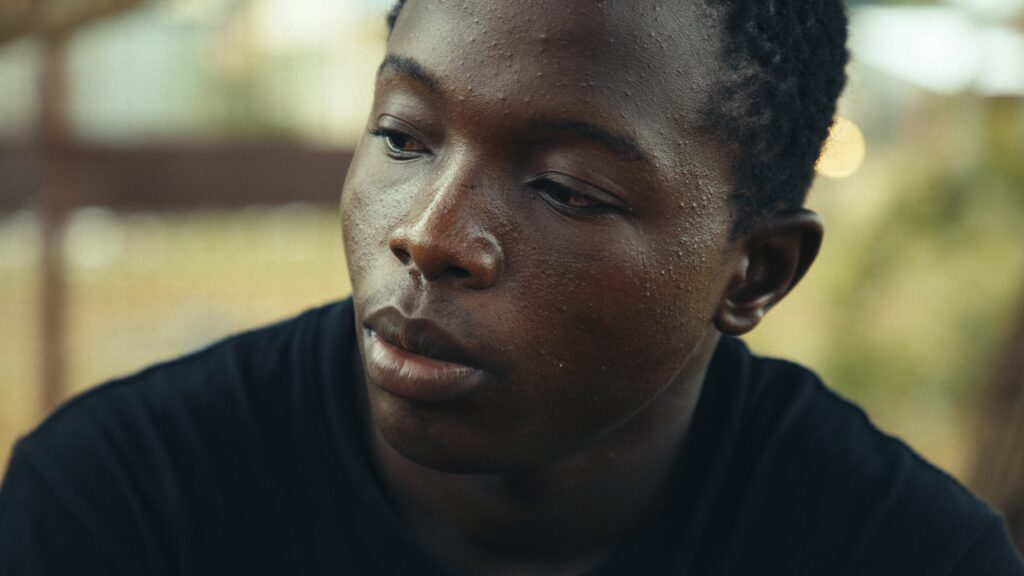
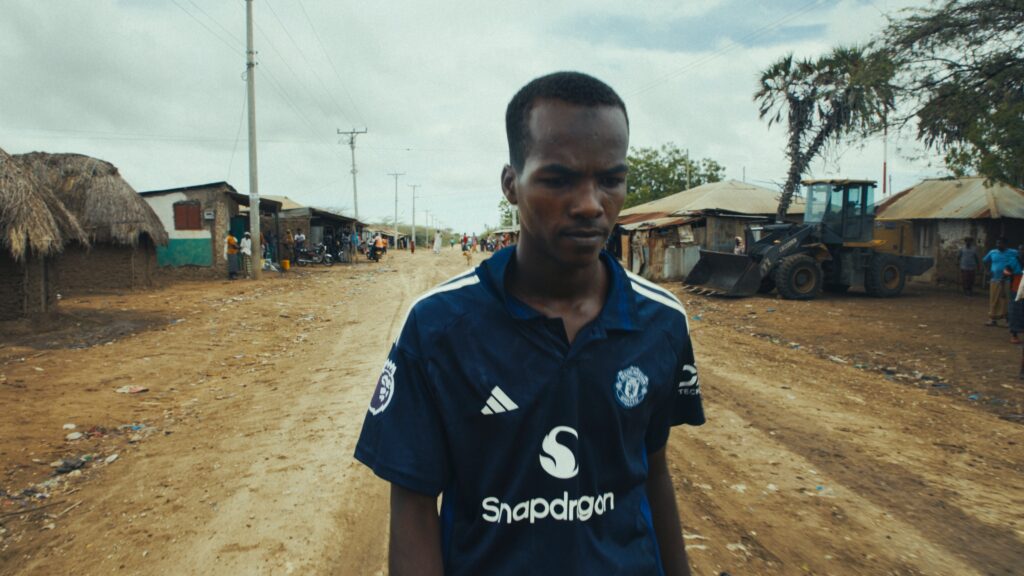
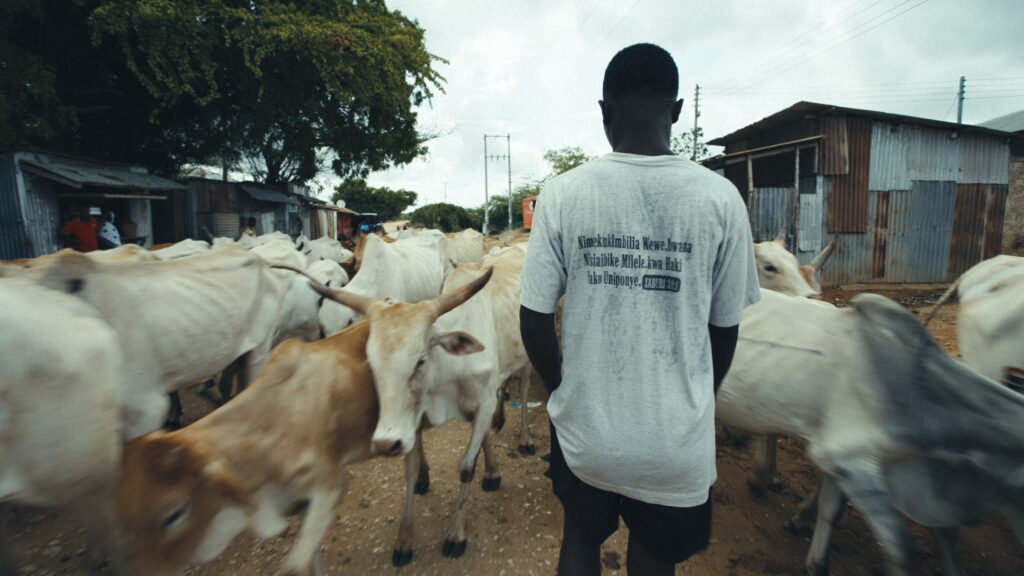
The film follows that hope through two of them on opposite sides – Bright, a Catholic who feeds goats and lives with his grandmother, and Mohammed, a Muslim firstborn who studies because the family's cattle are gone – and keeps its eyes on ordinary life around the game: a fifteen-month-old who weighs seven kilos, milk traded for maize, the singing in a hot church. It ends where the fighting could have, on a boy quietly naming what he wants – to finish school, to teach, to lift his family and then his community – by God's will, if he's allowed.