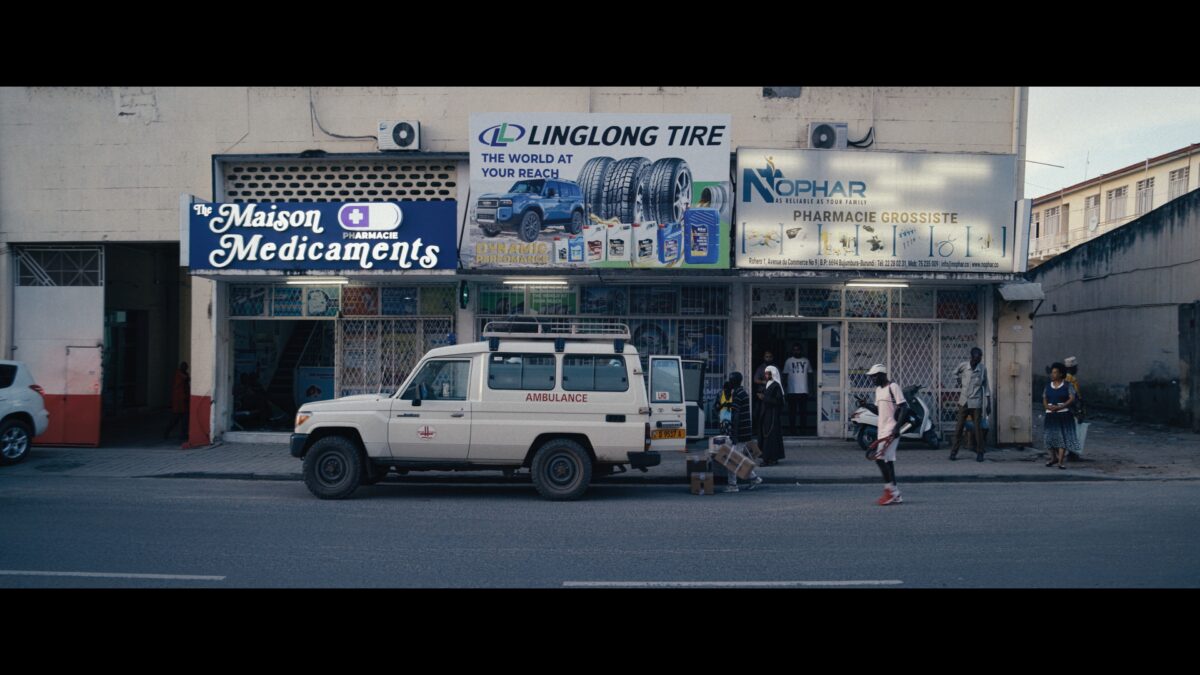
How We Graded “Born in Burundi”?
Born in Burundi follows a small medical community serving people with limited access to fuel, blood and essential medicines. The stakes are real: emergency births at night, long transfers and heartbreaking losses alongside acts of care and faith. In our documentary color grading approach we chose a visual task that was simple and demanding at the same time. We stayed truthful, protected dignity and let the light speak.
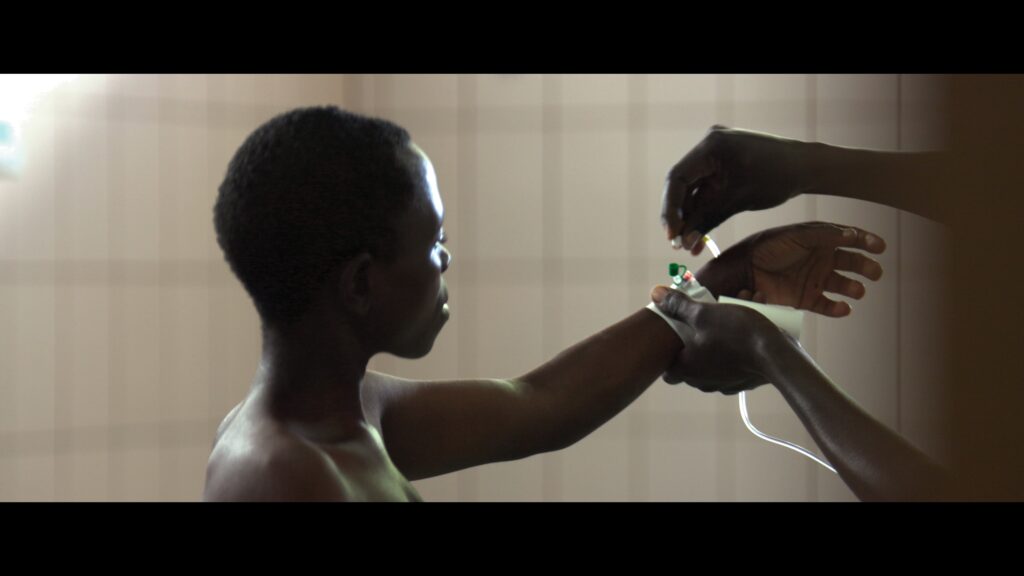
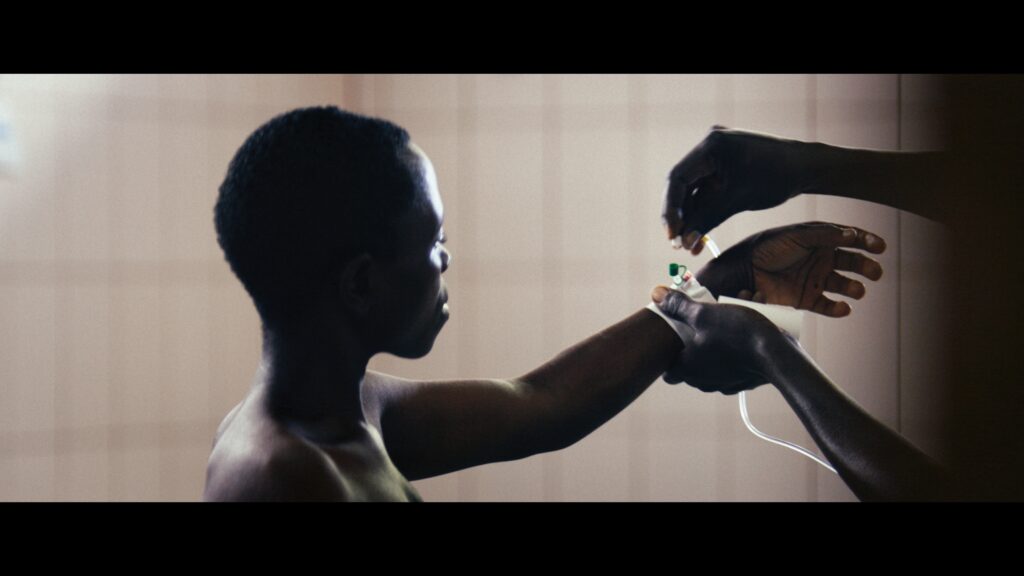
I always begin by really looking at the frame and understanding what the DP captured. As a result I stay close to that intent and avoid drifting. The grade was built on a Kodak film emulation, and even though the workflow was digital, every decision followed an analog mindset. Shadows stay open, yet from time to time I let them dive a bit deeper to underline reality. Meanwhile mid-tones stay steady and faces stay honest. Overall nothing is pushed for style because everything is shaped to reveal what was already there.


I graded in DaVinci Resolve Studio, working in DaVinci Wide Gamut Intermediate for maximum latitude. Canon C-Log3, drone material and action cams were matched manually with CSTs. From there I used a CST from DWG into ACES and then an ACES Transform into ADX 10-CSC, which gives me tighter control over gamut compression and lets me shape a more restrained Kodak 2382 D65 look.
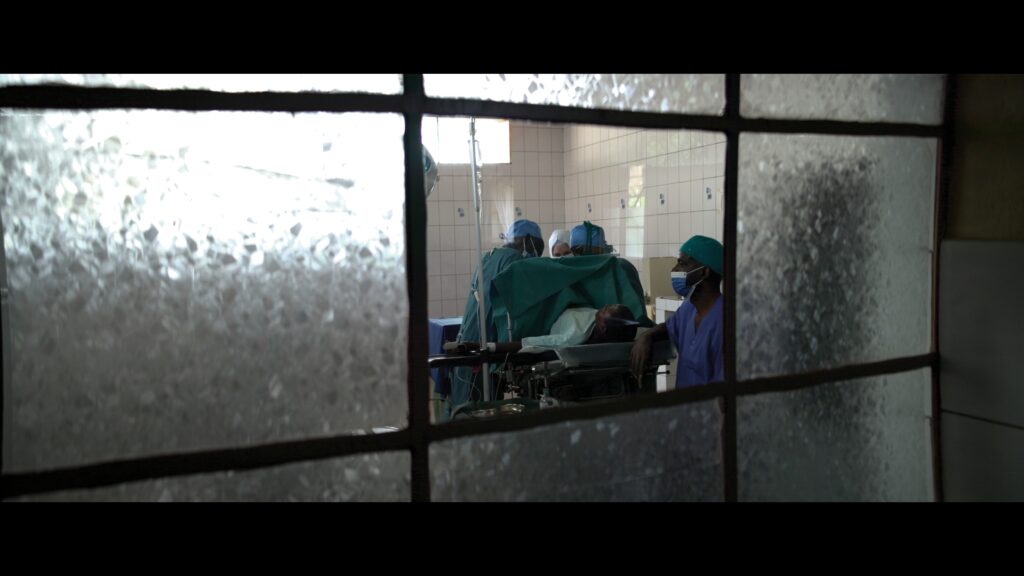
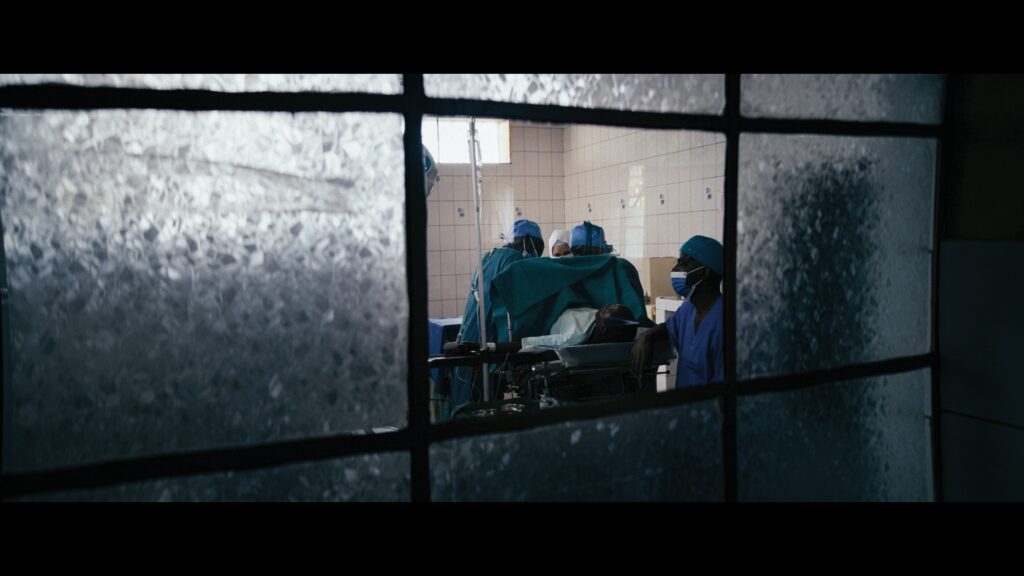
For documentary, finishing is less about showmanship and more about trust. Therefore I focus on continuity, readability and care, especially in scenes involving medical emergencies and sensitive material. As a result the grade disappears and the audience can sit with the people on screen. At the same time, and after many conversations with the director, we kept a sense of heaviness in those moments so the emotional weight stays honest.
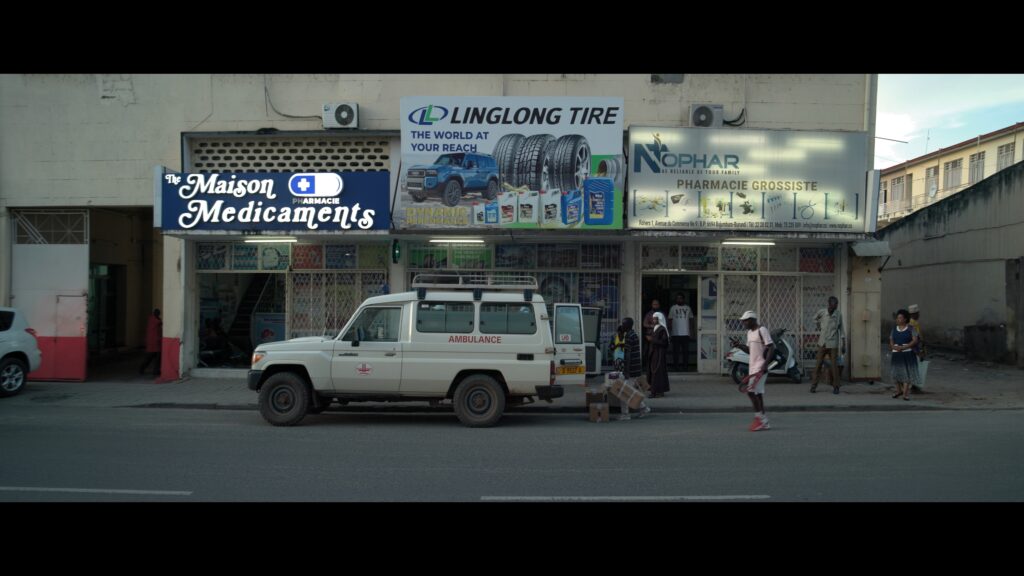
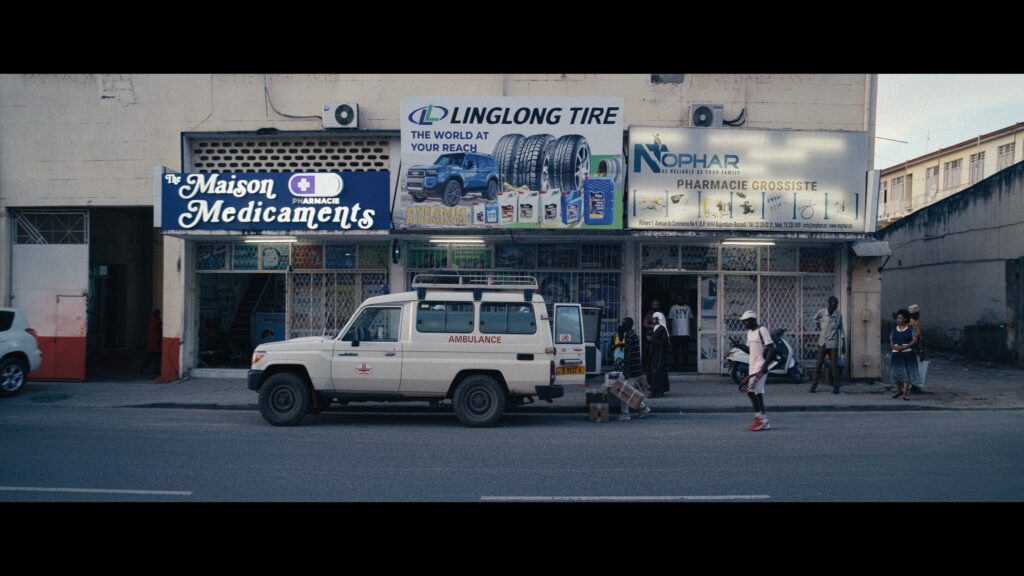
Final delivery included broadcast MXF OP1a and 10-bit H.265 masters, but the work starts much earlier. First we begin with a proper conform by taking the dailies, relinking them to the full-resolution OCF and locking the online. Next we build the grading timeline and a DNxHR HQX 10-bit master that becomes the basis for the release output. After the grade is approved we render the MXF OP1a and then complete scope-based QC, legal-range verification, subtitle checks and leader elements according to our finishing procedures. As a result the DWG pipeline keeps trims for web and broadcast clean, traceable and consistent.

The structure of the workflow is inspired by the analog printing chain. The offline cut works like a workprint, the online conform mirrors the negative match, and the graded OCF timeline functions as our “interpositive.” The DNxHR HQX master operates as a digital “internegative” from which the MXF OP1a broadcast master is derived. It’s not a literal film pipeline, but the analogy keeps the process disciplined and predictable.
Interested in documentary finishing or a remote grade?
Contact us to discuss your timeline, budget, and delivery specs.
